
|
By: Andrea Stein I recently came across this article which explains the effects of stress on our brains, you know that fog we go into where its difficult to function or put two thoughts together, let alone get something productive done. Well, turns out Massage Therapy has proven benefits! Stress Shrinks the Brain by Massage Magazine 8/15/12 Numerous research studies have shown that massage therapy relaxes the autonomic nervous system, reduces blood pressure, reduces depression and boosts immune-system function—so it's no wonder so many clients seek out massage therapy for stress relief. In a new, unrelated study, researchers set out to determine how stress and depression shrink the brain. "Major depression or chronic stress can cause the loss of brain volume, a condition that contributes to both emotional and cognitive impairment," noted a press release from Yale University, where the research was conducted. "Now a team of researchers ...has discovered one reason why this occurs: a single genetic switch that triggers loss of brain connections in humans and depression in animal models." The findings show that the genetic switch known as a transcription factor represses the expression of several genes that are necessary for the formation of synaptic connections between brain cells, which in turn could contribute to loss of brain mass in the prefrontal cortex, the press release noted. "We wanted to test the idea that stress causes a loss of brain synapses in humans," said senior author Ronald Duman, the Elizabeth Mears and House Jameson Professor of Psychiatry and professor of neurobiology and of pharmacology. "We show that circuits normally involved in emotion, as well as cognition, are disrupted when this single transcription factor is activated." The findings were reported in the Aug. 12 issue of the journal Nature Medicine. So the next time you wonder whether you should splurge on a Massage, remember that your Health and Well-being are involved. It really is Therapy!
So Indulge...In your Health! www.andreas-skincare-bodytherapy.com
0 Comments
Shared By: Andrea's Skin Care & Body Therapy
www.andreas-skincare-bodytherapy.com Formaldehyde is highly toxic to all animals, regardless of method of intake. Ingestion of as little as 30 mL (1 oz.) of a solution containing 37% formaldehyde has been reported to cause death in an adult human.[28] Water solution of formaldehyde is very corrosive and its ingestion can cause severe injury to the upper gastrointestinal tract. Occupational exposure to formaldehyde by inhalation is mainly from three types of sources: thermal or chemical decomposition of formaldehyde-based resins, formaldehyde emission from aqueous solutions (for example, embalming fluids), and the production of formaldehyde resulting from the combustion of a variety of organic compounds (for example, exhaust gases). Formaldehyde can be toxic, allergenic, and carcinogenic.[4] Because formaldehyde resins are used in many construction materials it is one of the more common indoor air pollutants.[29] At concentrations above 0.1 ppm in air formaldehyde can irritate the eyes and mucous membranes, resulting in watery eyes.[30] Formaldehyde inhaled at this concentration may cause headaches, a burning sensation in the throat, and difficulty breathing, and can trigger or aggravate asthma symptoms.[31][32] A 1988 Canadian study of houses with urea-formaldehyde foam insulation found that formaldehyde levels as low as 0.046 ppm were positively correlated with eye and nasal irritation.[33] Although many studies have failed to show a relationship between formaldehyde and asthma, a recent review of studies has shown a strong association between exposure to formaldehyde and the development of childhood asthma.[34] Chronic exposure at higher levels, starting at around 1.9 ppm, has been shown to result in significant damage to pulmonary function, resulting in reduced maximum mid-expiratory flow and forced vital capacity.[35] There is also research that supports the theory that formaldehyde exposure contributes to reproductive problems in women. A study on Finnish women working in laboratories at least 3 days a week found a significant correlation between spontaneous abortion and formaldehyde exposure, and a study of Chinese women found abnormal menstrual cycles in 70% of the women occupationally exposed to formaldehyde compared to only 17% in the control group.[35] There have been no studies done on the effect of formaldehyde exposure on reproduction in men. The primary exposure concern is for the workers in the industries producing or using formaldehyde. As far back as 1987, the U.S. EPA classified it as a probable human carcinogen and after more studies the WHO International Agency for Research on Cancer (IARC), in 1995, also classified it as a probable human carcinogen. Further information and evaluation of all known data led the IARC to reclassify formaldehyde as a known human carcinogen [36] associated with nasal sinus cancer and nasopharyngeal cancer.[37] Recent studies have also shown a positive correlation between exposure to formaldehyde and the development of leukemia, particularly myeloid leukemia.[38][39] The formaldehyde theory of carcinogenesis was proposed in 1978.[40] In the residential environment, formaldehyde exposure comes from a number of different routes; formaldehyde can off-gas from wood products, such as plywood or particle board, but it is produced by paints, varnishes, floor finishes, and cigarette smoking as well.[41] The United States Environmental Protection Agency (EPA) allows no more than 16 ppb formaldehyde in the air in new buildings constructed for that agency.[42] A U.S. Environmental Protection Agency study found a new home measured 0.076 ppm when brand new and 0.045 ppm after 30 days.[43] The Federal Emergency Management Agency (FEMA) has also announced limits on the formaldehyde levels in trailers purchased by that agency.[44] The EPA recommends the use of “exterior-grade” pressed-wood products with phenol instead of urea resin to limit formaldehyde exposure, since pressed-wood products containing formaldehyde resins are often a significant source of formaldehyde in homes.[37] For most people, irritation from formaldehyde is temporary and reversible, though formaldehyde can cause allergies and is part of the standard patch test series. People with formaldehyde allergy are advised to avoid formaldehyde releasers as well (e.g., Quaternium-15, imidazolidinyl urea, and diazolidinyl urea).[45] People who suffer allergic reactions to formaldehyde tend to display lesions on the skin in the areas that have had direct contact with the substance, such as the neck or thighs (often due to formaldehyde released from permanent press finished clothing) or dermatitis on the face (typically from cosmetics).[46] Formaldehyde has been banned in cosmetics in both Sweden and Japan.[citation needed] The eyes are most sensitive to formaldehyde exposure: The lowest level at which many people can begin to smell formaldehyde is about 0.05 ppm and the highest level is 1 ppm. The maximum concentration value at the workplace is 0.3 ppm.[47] In controlled chamber studies, individuals begin to sense eye irritation at about 0.5 ppm; 5 to 20 percent report eye irritation at 0.5 to 1 ppm; and greater certainty for sensory irritation occurred at 1 ppm and above. While some agencies have used a level as low as 0.1 ppm as a threshold for irritation, the expert panel found that a level of 0.3 ppm would protect against nearly all irritation. In fact, the expert panel found that a level of 1.0 ppm would avoid eye irritation—the most sensitive endpoint—in 75–95% of all people exposed.[48] Formaldehyde levels in building environments are affected by a number of factors. These include the potency of formaldehyde-emitting products present, the ratio of the surface area of emitting materials to volume of space, environmental factors, product age, interactions with other materials, and ventilation condition. Formaldehyde emits from a variety of construction materials, furnishings, and consumer products. The three products that emit the highest concentrations are medium density fiberboard, hardwood plywood, and particle board. Environmental factors such as temperature and relative humidity can elevate levels because formaldehyde has a high vapor pressure. Formaldehyde levels from building materials are the highest when a building first opens because materials would have less time to off-gas. Formaldehyde levels decrease over time as the sources suppress. Formaldehyde levels in air can be sampled and tested in several ways, including impinger, treated sorbent, and passive monitors.[49] The National Institute for Occupational Safety and Health (NIOSH) has measurement methods numbered 2016, 2541, 3500, and 3800.[50] Studies on the interactions between formaldehyde and proteins at the molecular level have been reported on the effects of the body’s carrier protein, serum albumin. The binding of formaldehyde loosens the skeletal structure of albumin and exposure of aromatic ring amino acids in the internal hydrophobic region. Symptoms may affect personal awareness, making one feel tired or fatigue.[citation needed] Formaldehyde inhalation has also shown to cause oxidative stress and inflammation in animals. Mice studied over an exposure to a high dose of formaldehyde (3ppm), showed increased levels of NO− 3 levels in plasma. This result suggests that FA inhalation either decreased NO production or increased NO scavenging, which may be an anti-stress mechanism in the body. Formaldehyde inhalation changes the sensitivity of immune system, which influences oxidative stress.[citation needed] In June 2011, the twelfth edition of the National Toxicology Program (NTP) Report on Carcinogens (RoC) changed the listing status of formaldehyde from “reasonably anticipated to be a human carcinogen” to “known to be a human carcinogen”.[5][6][7] Concurrently, a National Academy of Sciences (NAS) committee was convened and issued an independent review of the draft United States Environmental Protection Agency IRIS assessment of formaldehyde, providing a comprehensive health effects assessment and quantitative estimates of human risks of adverse effects By Andrea Stein www.andreas-skincare-bodytherapy.com Clients are always asking about ways to have better looking skin. I try to remind them that beauty comes from the Inside-Out, what we eat has an effect on our mental clarity, energy level, the way we move physically and the way our skin looks and feels. You want your skin to glow, maintain elasticity to avoid wrinkles and breakouts, then you must be aware of what you feed your body. The wrong foods can have an inflammatory effect internally, which is a reaction to foods that are acidic. Alkaline foods create a healthy environment so that on a cellular level our bodies continue to fight free radicals to keep us healthy and full of energy. I think the featured article says it beautifully, enjoy! By Amy Paturel, MS, MPH Why Are They So Super? Ask five nutritionists to rate the 13 most powerful foods and you'll get five different lists, but many of the selections will overlap. Why? Because every food provides something different: Some are a rich source of protein or fiber but void of many vitamins and minerals, while others contain disease-fighting phytonutrients, vitamins and minerals, but no protein. The trick, claim experts, is to get a variety of the best foods. The following 13 power foods are a good place to start.  Avocados Sure, they're high in fat, but avocados contain healthful monounsaturated fat, which has been linked to a reduced risk of cancer, heart disease, and diabetes. "Avocados aid in blood and tissue regeneration, stabilize blood sugar, and are excellent for heart disorders," says Ed Bauman, Ph.D., director of Bauman College. They're loaded with fiber (11 to 17 grams per fruit) and are a good source of lutein, an antioxidant linked to eye and skin health. Apples "An apple a day really does keep the doctor away," says Jonny Bowden, Ph.D., C.N.S., author of The 150 Healthiest Foods on Earth. Apples are loaded with the powerful antioxidants quercetin and catechin, which protect cells from damage - that means a reduced risk of cancer and cardiovascular disease, especially if you eat the skin. Research shows that the apple peel contains five times more polyphenols than the flesh. Apples and their skins pack a lot of fiber too (about twice that of other common fruits, including peaches, grapes, and grapefruit), which may help fight the battle of the bulge. Blueberries Antiaging superstars, blueberries are loaded with antioxidants, especially anthocyanins, which have been shown to improve vision and brain function. Studies show that eating blueberries slows impairments in motor coordination and memory that accompany aging. These little berries also reduce inflammation, which is inextricably linked with virtually every chronic disease from Alzheimer's and Parkinson's, to diabetes and heart disease. Other studies show that blueberries have much greater anticancer activity than other fruits.  Cabbage In the vegetable world, the Brassica genus reigns supreme, and the cabbage is the most impressive of the lot. Brassica vegetables (including broccoli, bok choy) contain compounds called indoles, which have been shown to reduce the risk of cancer dramatically. "Eating cabbage more than once a week cut men's colon cancer odds by 66 percent," says Bauman. "Cabbage also stimulates the immune system, kills bacteria and viruses, and is a good blood purifier." If you go for the red variety, you'll also get a healthy dose of anthocyanins (the same pigment molecules that make blueberries blue), another powerful antioxidant with an anticancer punch. Fish and Fish Oil Eating fish helps cut the risk of heart disease, cancer, Alzheimer's, stroke, diabetes, and arthritis. The fatty varieties may also help alleviate depression. The American Heart Association recommends that adults eat at least two fish meals per week, especially wild salmon, herring, and sardines, because those varieties provide the most heart-healthy omega 3s. Avoid mercury-containing varieties like shark, swordfish, king mackerel, tilefish, and albacore tuna, says Roberta Anding, M.S., R.D., national spokesperson for the American Dietetic Association. (Chunk light tuna is okay.) Garlic Research shows that garlic lowers total cholesterol and triglyceride (blood fat) levels, helping prevent clogged arteries. "Two to three cloves a day cut the odds of subsequent heart attacks in half for heart disease patients," says Bauman. "Garlic also tops the National Cancer Institute's list of potential cancer-preventive foods." Whole baked garlic helps detoxify the body of heavy metals like mercury (from fish) and cadmium. Garlic also acts as an antibacterial and antiviral, boosting resistance to stress-induced colds and infections. Can't stand garlic breath? Chew on a sprig of parsley. Mushrooms Used for centuries in Eastern medicine, mushrooms have powerful effects on the immune system – especially the maitake, shiitake, and reishi varieties. "Mushrooms such as maitake help prevent and treat cancer, viral diseases, high cholesterol, and high blood pressure," says Bauman. In fact, mushrooms are used as an adjunctive cancer treatment throughout Asia because of their ability to counteract the toxic effects of chemotherapy and radiation while simultaneously shrinking tumors. What's more, Japanese researchers have found that regularly eating shiitake mushrooms lowers blood cholesterol levels up to 45 percent. Almonds Almonds are loaded with fiber and monounsaturated fat, both of which have been shown to lower cholesterol. According to the Food and Drug Administration, eating 1.5 ounces of most nuts, including almonds, as part of a diet low in saturated fat and cholesterol may reduce the risk of heart disease. And even though almonds are relatively high in fat and calories, studies show that eating almonds can actually help with weight loss (their protein, fiber, and monounsaturated fats provide the feeling of fullness, preventing overeating). Eggs The best protein source on the planet, eggs consistently outrank milk, beef, whey, and soy in the quality of protein they provide. In addition to containing all nine essential amino acids, eggs are loaded with nutrients. "And for God's sake, eat the yolks," says Bowden. People avoid the yolks because they fear cholesterol, but egg yolks contain choline, which helps protect heart and brain function and prevents cholesterol and fat from accumulating in the liver. 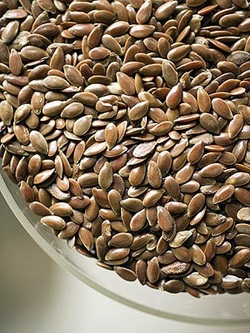 Flaxseeds Loaded with alpha-linolenic acid, an essential fatty acid that helps reduce inflammation, flaxseed has been used for centuries for medicinal and health reasons. Gandhi himself proclaimed, "Wherever flaxseed becomes a regular food item among the people, there will be better health." Bauman adds, "The seed itself has terrific nutritional value, very usable protein, tremendous fatty acids, and minerals like magnesium, potassium, and zinc." Additionally, they're a great source of fiber. Pomegranates Pomegranates have up to three times the antioxidants of red wine and green tea – and the juice has been shown to reduce artery-clogging plaque, which in turn prevents heart disease and stroke. Research shows that long-term consumption of pomegranate juice may also help slow aging and protect against cancer. Red Wine A small amount of any kind of alcohol each day does your heart good by increasing HDL cholesterol and reducing the risk of blood clots. "Red wine also contains powerful antioxidants, resveratrol and saponins, which may provide additional cardiovascular benefits," says Anding. Resist a refill, however: More than one drink daily has been linked to high blood pressure.  Dark Chocolate
When it comes to chocolate, bitter is better – at least in terms of health. The benefits of chocolate come from flavonols and antioxidants (the same disease-fighting chemicals found in cranberries, apples, strawberries, and red wine). The caveat: Only real cacao contains flavonols, so look for chocolate that boasts a high percentage of cacao (60 percent or more). Dark chocolate also has fewer calories than other varieties, and when eaten in moderation, it lowers unhealthy LDL cholesterol and prevents plaque from building up in your arteries. By Andrea Stein  Pregnancy Massage is is a valuable component of prenatal care. It is safe for most pregnant women but if you have any questions you should speak with you Doctor, Mid-wife, or Doula. Our Massage services are available during all trimesters with Doctor approval. There are many benefits for women to receive regular prenatal massages, which include:
Andrea Stein is the Owner of Andrea's Skin Care & Body Therapy, a Certified Aesthetician, Prenatal & Perinatal Massage Therapist and member of the American Pregnancy Massage Association. Her desire is to help women feel good, look beautiful and be healthy from conception through delivery and beyond! She can be reached at 209-765-4967 Indulge...In Your Health! www.andreas-skincare-bodytherapy.com  9 Foods for a Healthy Weight
Published: 8/14/2012 By Andrew Weil, MD Shared By Andrea's Skin Care & Body Therapy www.andreas-skincare-bodytherapy.com General Health If you are trying to lose weight, avoid the frozen, prepared, and often expensive "diet" meals and instead hit up the produce, grain and fish sections of the grocery store. These superfoods are not just filling and can help you manage your weight, but offer numerous health benefits as well.
 Here at Andrea's Skin Care & Body Therapy, we understand the benefits of using non-toxic products and all natural ingredients. We are committed to using the highest quality products in each and every service and strive to use organic whenever possible. We know our ingredients and will be happy to share them with you. Non-Toxic Nail Polishes In recent years research has shown that certain chemicals used in nail polishes, specifically DBP (Dibutyl Phthalate, is a plasticizing ingredient that has recently been banned for use in cosmetic products in the European Union. DBP is a potential developmental and reproductive toxin that may cause a broad range of birth defects), formaldehyde and toluene can pose a health risk to all healthy adults and especially expectant mothers. We will only carry non-toxic polishes that are free from the chemicals proven to be harmful to your health. We will also offer water based polishes that are kid friendly and are recommended for every expectant mother. These polishes will be removed with gentle, yet effective, soy based nail polish remover that is acetone free. Natural Lotions and Oils You won’t find any mysterious bottles of highly fragranced hand lotions. We will offer mineral and paraben free lotions and oils that have been infused with organic spices, natural botanicals and pure essential oils to literally wash away stress and tension, leaving your hands and feet tingling and your senses awakened. We invite you to come in, sit back, relax and breathe deeply. Experience the benefits of our Organic Manicures or Pedicures! For more information go to www.andreas-skincare-bodytherapy.com Welcome to Andrea's Skin Care & Body Therapy Blog! Clients and friends are always looking for answers to various Skin, Health and Wellness issues so, I thought I would share some tidbits that I have found along the way. I hope they are interesting to you and maybe even answer a question you yourself have thought about!
|
AuthorAndrea Stein has been in the Beauty, Health and Wellness industry for over 38 years. She is the owner of Andrea's Skin Care & Body Therapy, a practicing Certified Aesthetician and Massage Therapist. Her goal is to provide memorable spa experiences that are relaxing and rejuvenating while achieving results that you will both see and feel. Archives
June 2014
Categories
All
|
 RSS Feed